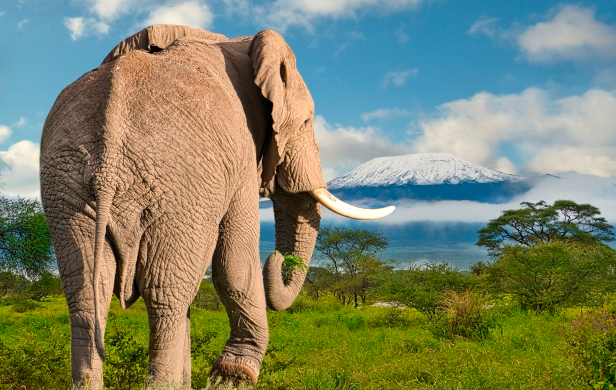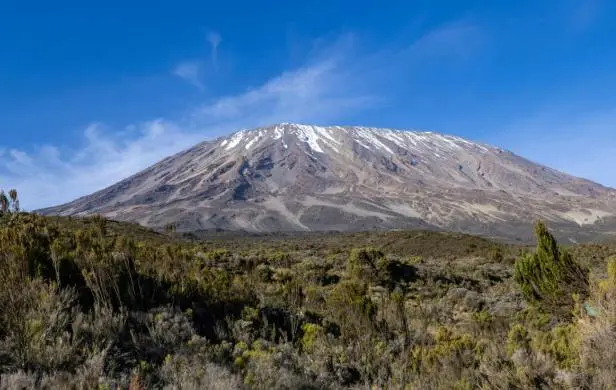
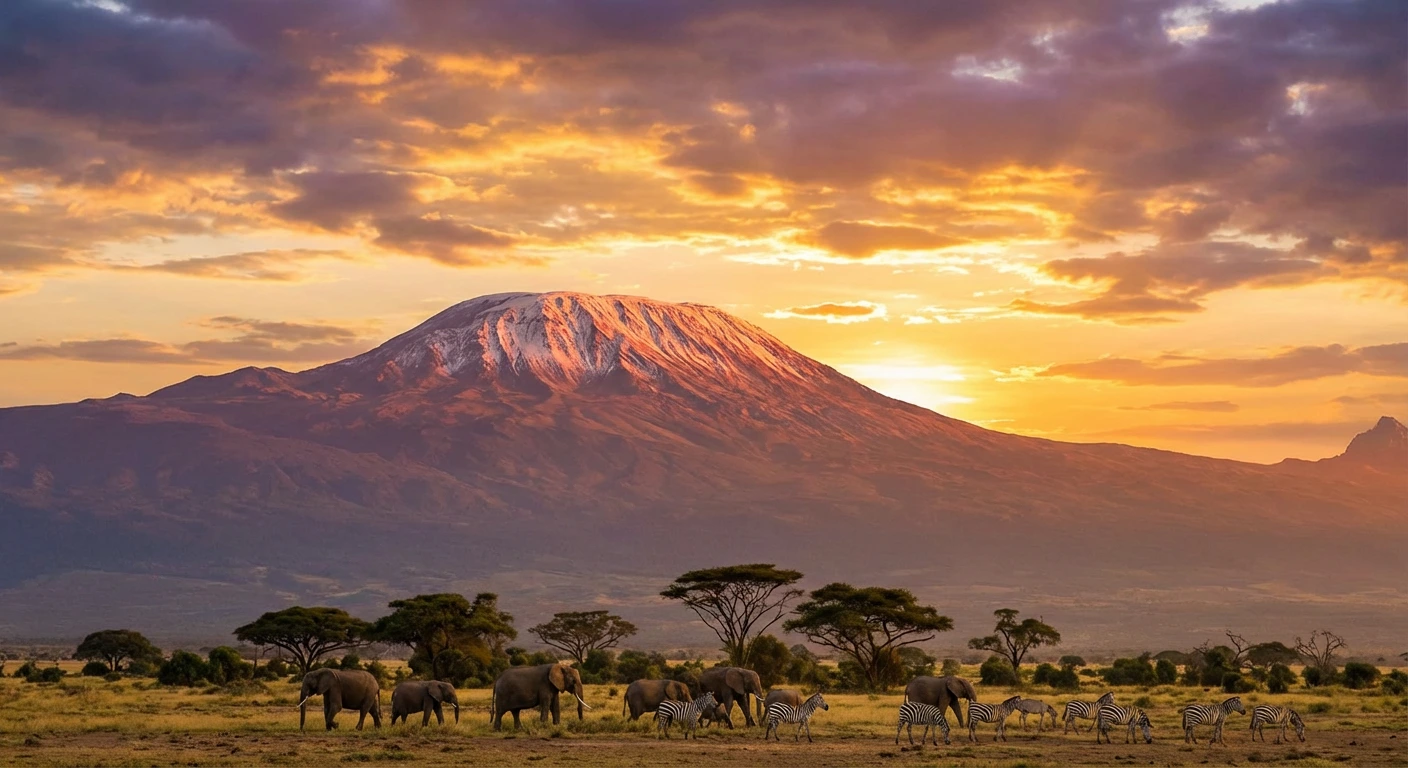
Mount Kilimanjaro, in northeastern Tanzania near the Kenyan border, is Africa’s highest peak and the tallest free-standing mountain in the world. This dormant stratovolcano rises dramatically from the savannah and was designated a UNESCO World Heritage Site in 1987.
Climbing Kilimanjaro is like walking from the equator to the North Pole in just a few days.
Kilimanjaro is a “walk-up” mountain—no technical climbing gear is required on standard routes. However, altitude makes it physically demanding.
Kilimanjaro’s snow-capped summit is legendary, but its glaciers are retreating rapidly due to climate change. Scientists warn they may vanish within decades, making today’s climbs a rare chance to witness them.
8 Days 7 Nights
8 Days 7 Nights