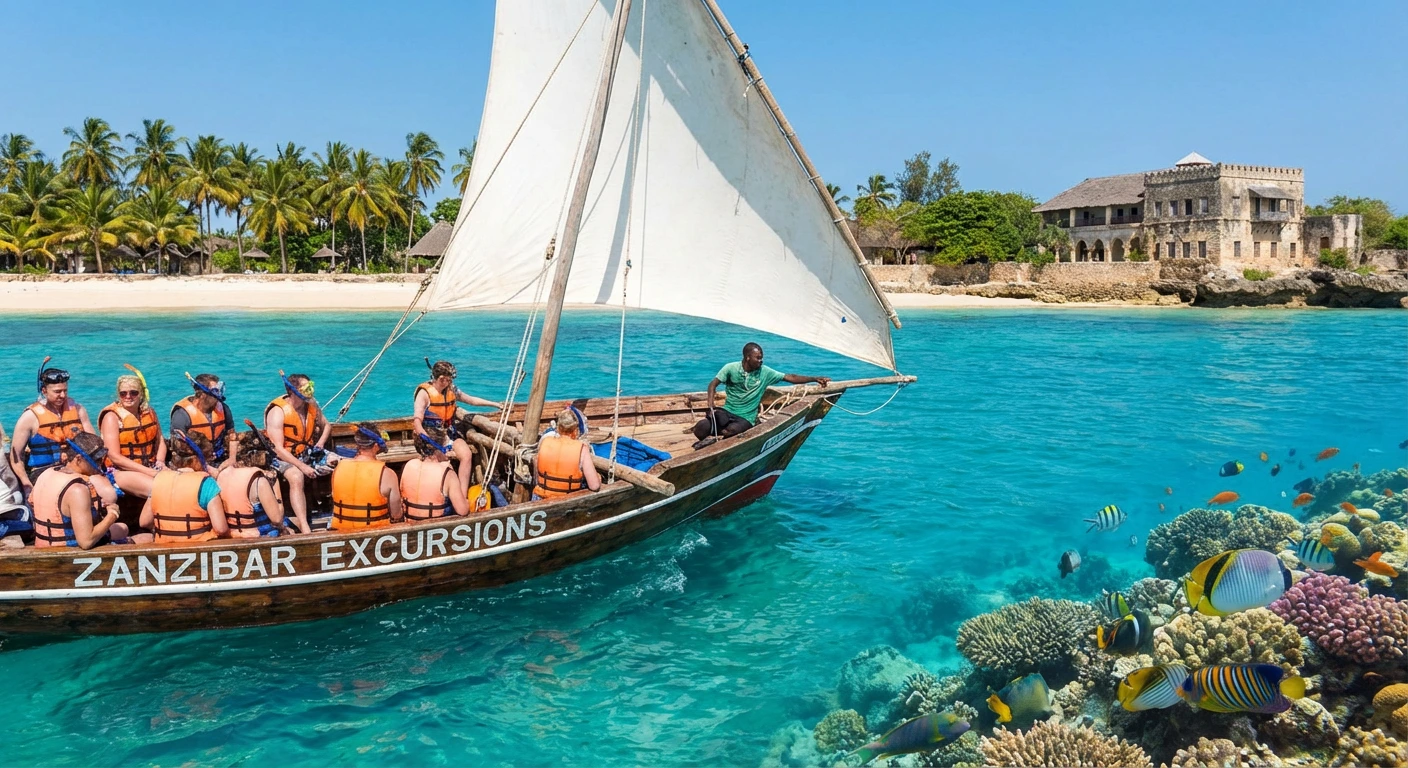
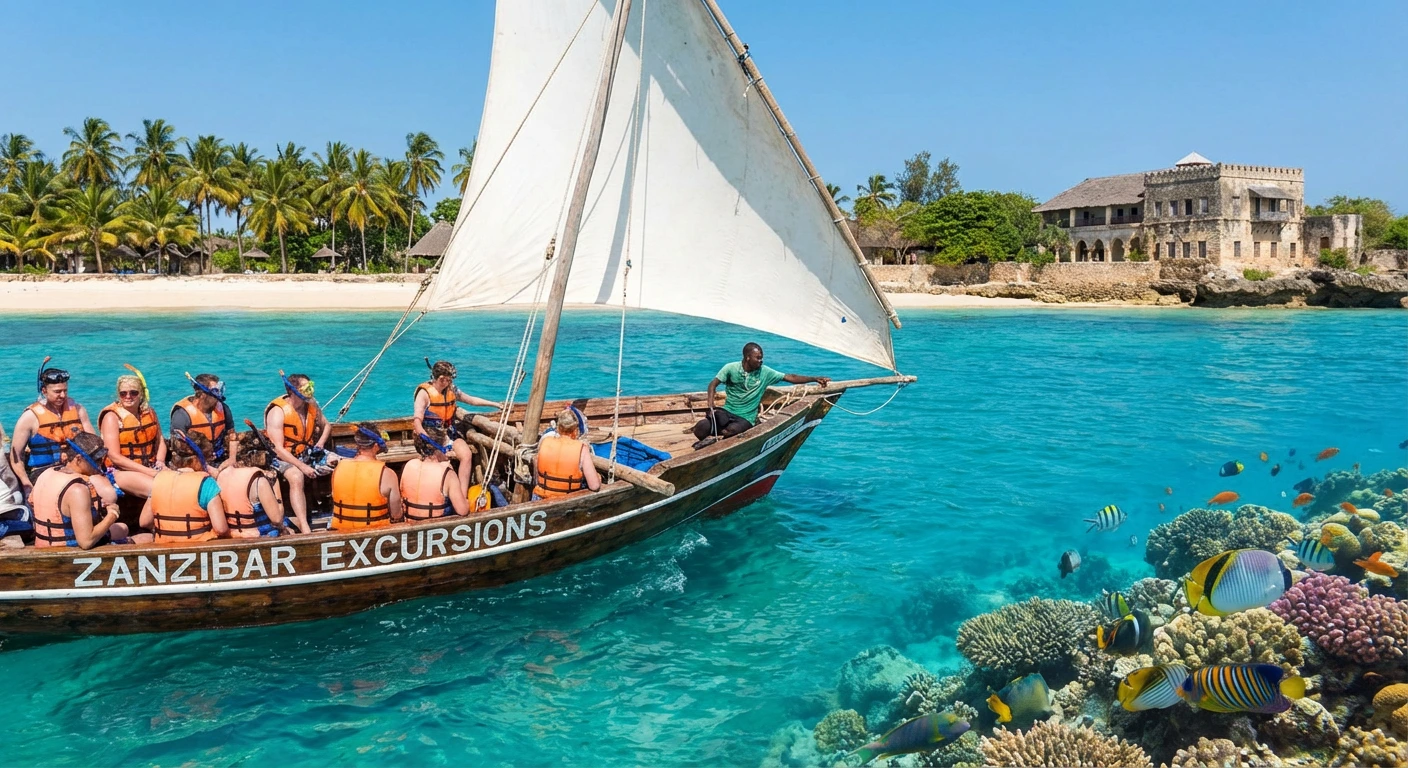
Here is a comprehensive description of Zanzibar: Overview Zanzibar is a semi-autonomous archipelago off the coast of East Africa, part of the United Republic of Tanzania. While often thought of as a single island, it actually consists of two main islands—Unguja (informally referred to as Zanzibar Island) and Pemba—along with dozens of smaller islets. It is famous for its turquoise waters, white sandy beaches, and rich history as a spice trade center. Key Characteristics Geography: Located in the Indian Ocean, about 25–50 kilometers (16–31 miles) off the coast of mainland Tanzania. Capital: Zanzibar City, located on the island of Unguja. Its historic center is known as Stone Town. Culture: The culture is a unique Swahili blend of African, Arab, Indian, and European influences, resulting from centuries of trade. Islam is the predominant religion, shaping the local customs, dress, and architecture. Stone Town (The Historical Heart) Stone Town is a UNESCO World Heritage Site and the cultural soul of the archipelago. It is a maze of narrow, winding alleys that are too small for cars, filled with: Architecture: 19th-century coral stone buildings blending Arab, Persian, Indian, and European styles. The Doors: Famous for its intricately carved wooden doors, studded with brass (originally intended to deter war elephants in India, but adopted here as a status symbol). Landmarks: The House of Wonders, the Old Fort, the Sultan’s Palace, and the Anglican Cathedral (built on the site of the old slave market). Freddie Mercury: It is the birthplace of the legendary Queen frontman, Farrokh Bulsara. The "Spice Island" Zanzibar earned its nickname due to its long history as a major producer of cloves, nutmeg, cinnamon, and black pepper. Spice Tours: A popular activity for visitors is touring the spice plantations in the countryside to see, smell, and taste spices in their raw form. Cuisine: The local food, Zanzibari cuisine, is heavily influenced by these spices and includes dishes like Urojo (Zanzibar mix), biryani, and endless fresh seafood (especially octopus). The Beaches and Marine Life The coastline offers some of the most beautiful beaches in the world. Nungwi and Kendwa (North): Known for not being as affected by the dramatic tides, allowing for all-day swimming, and having a lively atmosphere. Paje and Jambiani (East): Famous for kite surfing due to consistent winds and vast shallow lagoons created by low tides. Mnemba Atoll: A protected marine reserve offering world-class snorkeling and diving with pristine coral reefs and dolphins. Historical Context Zanzibar has a complex history. For centuries, it was a powerful trading hub connecting Africa to Asia and the Middle East. It was the center of the East African slave trade in the 19th century under Omani Arab rule. In 1964, a revolution led to the overthrow of the Sultan, and shortly after, Zanzibar merged with Tanganyika to form the modern nation of Tanzania (Tan-ganyika + Zan-zibar = Tanzania). Since you asked about Kilimanjaro and now Zanzibar, are you perhaps planning a classic "Bush and Beach" safari itinerary? I can help you outline a travel plan that connects a mountain trek with a relaxing stay on the coast.

10 Days 9 Nights
10 Days 9 Nights
3 Days 4 Nights
4 Days 3 Nights